
Blog
Articles on iron deficiency and iron infusion therapy. See each article for its author, sources and review information.

Blood Tests for Tiredness: What Do FBC and Ferritin Tell You?
Understand blood tests for tiredness, the difference between FBC and ferritin, and how to prepare for an iron assessment in Cardiff.

Iron Infusion Types: Why Phosphate Risk Matters
Compare what Ferinject and Monofer product information says about low phosphate, why monitoring may matter and what to ask at your appointment.

Is Low Ferritin a Sign of Cancer? What to Ask Your Doctor
Low ferritin needs an explanation. Understand how doctors assess iron results, when further investigation matters and which symptoms need prompt help.

Low Ferritin, Normal Haemoglobin: Causes & Next Steps
Low ferritin with normal haemoglobin can still need assessment. Understand the tests, possible causes and questions to ask before choosing treatment.

Normal Ferritin Levels in Women: What Your Result Means
Learn how lab reference intervals differ from diagnostic guidance, why ferritin needs context, and what to ask about iron testing.

Tired After Eating: When to Ask About Tests
Tired after eating? Learn what to record, how iron and blood sugar fit into the assessment, and when persistent tiredness needs a discussion with your GP.

Hyperbaric Chamber Risks: What You Need to Know
Hyperbaric chamber risks are real but manageable. Learn which side effects are common, which are serious, and who should not use HBOT.

Hyperbaric Chamber: What It Does and Who It Helps
A hyperbaric chamber delivers pure oxygen at raised pressure to boost healing. Learn how it works, what the evidence shows, and where to try it in Cardiff.

Brain Fog: What Causes It and How to Work Out Which One Is Yours
Brain fog isn't a diagnosis; it's a symptom with a long list of causes. The common ones, how to tell them apart, and which blood tests are worth asking for.

Does the NHS Offer Hyperbaric Oxygen Therapy?
The NHS funds hyperbaric oxygen therapy for a defined list of conditions through a small number of specialist units. What's covered, what isn't, and how to get referred.

Extreme Tiredness: What It Means and What to Check
Extreme tiredness that sleep does not fix has a short list of testable causes. How to tell ordinary fatigue from the kind that needs a blood test.

Always Tired? How to Start Finding Out Why
Persistent tiredness can have many causes. Learn what symptoms may be useful to discuss with a GP, how iron deficiency is assessed, and why tests depend on your situation.

HBOT for Athletes: Does Hyperbaric Oxygen Speed Up Recovery?
What the research says about hyperbaric oxygen therapy for athletic recovery, injury healing and training load; including the results that didn't work.
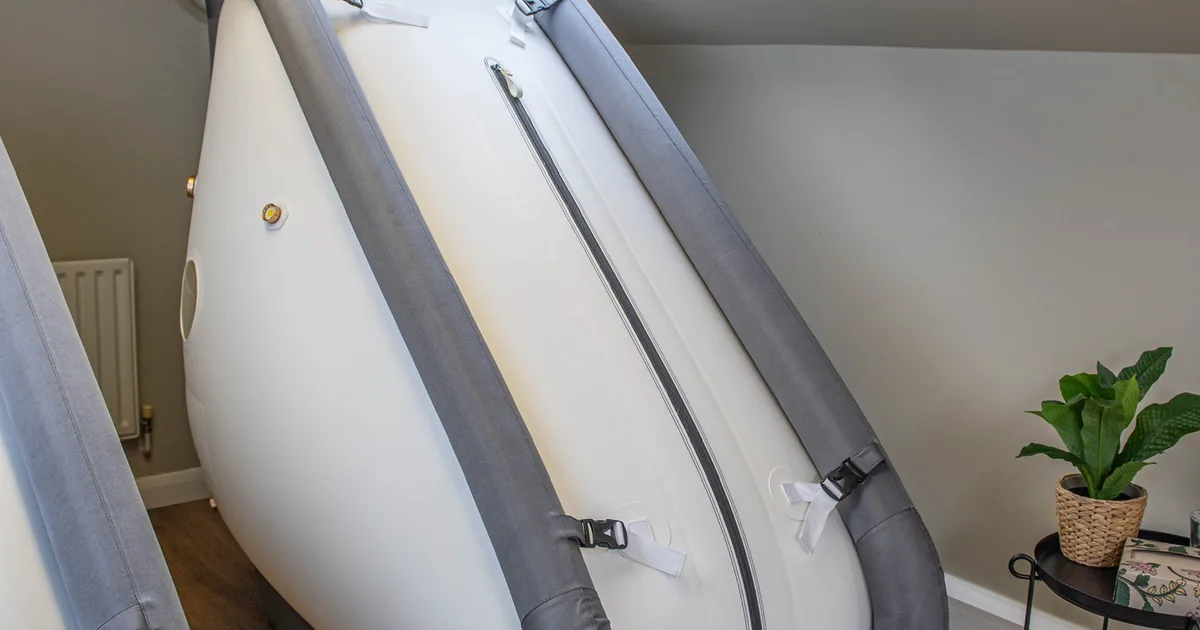
HBOT Side Effects and Safety: What Can Go Wrong and How Often
The real side effects of hyperbaric oxygen therapy, how common each one is, who should not have HBOT at all, and the screening that makes it safe.

Heavy Periods and Tiredness: How to Tell If Yours Are Actually Heavy
Heavy periods and tiredness can be linked. Recognise heavy bleeding, understand the recommended checks, and know when to seek medical advice.

Hyperbaric Oxygen Therapy Benefits: What the Evidence Actually Shows
HBOT benefits graded honestly; what hyperbaric oxygen therapy is proven to do, what the research is still testing, and what it is not shown to do at all.

Perimenopause Fatigue: What's Hormones, What's Something Else
Exhaustion in your forties gets blamed on hormones by default; sometimes correctly. How to tell perimenopause fatigue from the treatable causes that hide behind it.

Pregnancy Tiredness: What's Normal and When to Get Your Iron Checked
Exhaustion is expected in pregnancy; but iron requirements roughly double, and deficiency is common. How to tell ordinary pregnancy tiredness from something worth testing.

Restless Legs at Night: Why It Happens and the Test Most People Never Get
Restless legs syndrome has a well-established link to low iron in the brain; and ferritin is the test that finds it. What causes RLS, what helps, and what to ask for.

What Is a Hyperbaric Chamber? Types, Pressure and Safety
Learn what a hyperbaric chamber does, how monoplace and multiplace designs differ, and what NHS Wales and NHS England specify for emergency HBOT services.

What Causes Iron Deficiency? A Doctor Explains
Heavy periods, poor absorption, and gut blood loss are the main causes of iron deficiency. Dr Ros Jabar explains each one and what to do next in Cardiff.

What Does a Very Low Ferritin Result Mean?
A ferritin result of 8 or 10 can indicate low or absent iron stores in adults, but the number alone does not determine urgency or treatment. Learn how it...

Can't Absorb Iron Tablets? Here's Why: and What Works
Can't absorb iron tablets? Learn why gut conditions, low stomach acid and medication can block absorption: and when IV iron may help in Cardiff.

Is an Iron Infusion Safe? A Doctor Explains
Iron infusions are generally safe when clinically assessed and monitored. Dr Ros Jabar explains risks, evidence, and safety checks at IronOx Cardiff.

Low Iron After Having a Baby: Why You're So Tired
Tired after having a baby? Learn when low iron may contribute, which symptoms need urgent care, and how blood tests and treatment decisions are assessed.

How Long Does an Iron Infusion Last?
An iron infusion lasts 6-18 months on average for most people. Learn what affects duration, when a top-up is needed, and how IronOx Clinic Cardiff can help.

HBOT in Cardiff: Hyperbaric Oxygen Therapy at IronOx Clinic
Hyperbaric oxygen therapy (HBOT) in Cardiff at IronOx Clinic. Sessions from £95, no GP referral needed, with an optional ten-session Course.

Iron Infusion and HBOT: Separate Treatment Decisions
Iron infusion and HBOT are available at the same Cardiff clinic. Each needs a separate suitability assessment; an included session is an offer, not evidence of extra benefit.

What Is Hyperbaric Oxygen Therapy (HBOT)? A Complete Guide
What hyperbaric oxygen therapy is, how it works, what conditions it treats, and what to expect during a session. HBOT explained by a doctor-led clinic.

Iron Infusion Response and Follow-up in Adult Iron-Deficiency Anaemia
Understand how adult iron-deficiency anaemia guidance discusses response to oral and IV iron, product-specific blood-test follow-up, and questions for your treating clinician.

Iron Deficiency and Hair Loss: What Your Blood Test Can Tell You
Noticing more hair in your brush? Understand the link with iron, what ferritin can tell you, and what to discuss at an appointment.

Iron Deficiency in Pregnancy: Treatment Options in the UK
Iron deficiency affects up to 40% of pregnancies. Understand the risks, symptoms, treatment options, and when an iron infusion may be appropriate.

How Much Does a Private Iron Infusion Cost in the UK?
IronOx iron infusion costs £699 or £899. Blood tests are £165 separately if needed. Compare total costs, NHS access, assessment and follow-up.

Iron Infusion Side Effects: Risks and When to Get Help
Learn about reported iron infusion side effects, symptoms that need urgent attention, and questions to discuss with your clinician.

Oral Iron vs Infusion in Adults with Iron-Deficiency Anaemia
For adults with iron-deficiency anaemia, compare oral and IV iron, when guidelines say each may be considered, their risks and what to ask your clinician.

Can You Get an Iron Infusion Without a GP Referral?
Self-refer for an IronOx assessment without a GP letter. Learn what results to bring, how suitability is checked, costs, risks and follow-up.

Iron Tablets Not Working? What to Check Before Changing Treatment
Still tired, or finding iron tablets hard to take? Understand what to review with your clinician, what blood tests can show, and when other treatment may be considered.

NHS vs Private Iron Infusion: Waiting Times, Cost, What to Expect
Compare NHS and private iron infusion access, assessment and cost. IronOx prices are £699 or £899, with £165 blood testing charged separately if needed.

What to Expect During Your Iron Infusion: Step by Step
The infusion takes about 30 minutes, then 30 minutes of monitoring. What each stage feels like, whether it hurts, and whether you can drive home.